How Rustic Signature Became My Website's Secret Branding Weapon
I was stuck on the hero section of a client's website—a charming online shop selling handmade pottery. The clean, minimal layout was there, but the headline, "Handcrafted Beauty for Everyday Living," just felt generic. It needed warmth, a touch of the artisan’s hand, but still needed to be crisp and clear on every screen. I opened my font manager and started scrolling. When I pasted the text into Rustic Signature, something clicked. The phrase transformed. It wasn't just text anymore; it felt like a personal invitation written in elegant ink.
The Personality Behind the Letters
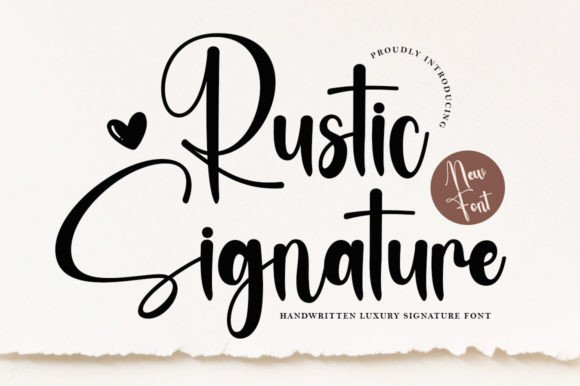
Rustic Signature is a script font with a specific, beautiful mood. It’s not the overly casual, wobbly handwriting you might find in a doodle. Instead, its letters are crafted with exquisite calligraphy details—noticeable flourishes, consistent weight transitions, and a confident flow. It carries an authentic, handwritten feel without sacrificing digital clarity. In my layout, it immediately evoked craftsmanship, personal attention, and a premium yet approachable brand. For that pottery shop, it was the perfect bridge between the rustic product and the polished online store experience.
Finding Its Place in the Digital Layout
Script fonts can be tricky on websites. Their strength is in emotion, not in long paragraphs. So, my first rule was clear: Rustic Signature is a display font. It’s for moments where you want to make a visual and emotional impact.
Hero Titles & Key Headings
This is its sweet spot. I used it for the main headline and a few key section titles, like "The Maker's Story" and "Our Collections." On the homepage, it established the brand voice instantly. Overlaid on a high-quality image of a ceramic vase, the text maintained its elegance and readability because of its well-defined forms.
Call-to-Action Accents & Logo Text
For the main "Shop Now" button, I used a bold sans serif for maximum clickability. But on a secondary, softer CTA like "Discover the Process," I used Rustic Signature in a slightly smaller size. It created a distinct, friendly prompt. For a logo, especially for a boutique brand, this font could serve as the entire wordmark, providing immediate, unique identity.
Decorative Supporting Text
I avoided using it for body copy, navigation, or any lengthy text. Its power is in short phrases. On product page banners, quotes, or as a decorative element next to an icon, it shines. It’s also fantastic for static blog graphics, email header images, and digital ad creatives where the goal is quick brand recognition.
The Readability Check: Screen by Screen
A beautiful font must perform. Here’s what I tested:
- Mobile: On smaller screens, I increased the size slightly for hero titles. The font’s clear letterforms held up well, but spacing is crucial. Extra letter-spacing can help legibility on very small viewports.
- Dark/Light Backgrounds: It worked seamlessly on both. Over a light background, its classic ink-like appearance was clear. On a dark image background, I ensured sufficient contrast by placing it over less busy sections of the photo or adding a subtle, semi-transparent text block behind it.
- Image Overlays: This is common practice. The key is to avoid overly textured or high-contrast areas of the image. Rustic Signature needs a "quiet" spot on the photo to stand out without fighting the visual.
- Fast-Loading Content: As a webfont, its file size was manageable. I loaded it via the project’s main stylesheet, ensuring it rendered quickly alongside other critical assets. No laggy, missing text.
Building a Cohesive Typography System
A single decorative font doesn’t build a whole website’s typography. It needs partners. For this project, Rustic Signature was the personality. I paired it with a simple, neutral sans serif for all body text, product descriptions, and UI elements. This sans serif was clean and highly readable, providing a calm foundation that let the script headings truly pop. For a more editorial feel, say on a coaching website or blog, pairing Rustic Signature with a classic serif font for body copy could create a sophisticated, journal-like digital identity.
A Practical Checklist Before You Use It
Before embedding Rustic Signature into any live website or client project, I always run a quick technical and legal check. This avoids headaches later.
- Webfont Formats & Availability: Confirm it's available in standard webfont formats (like WOFF2) for smooth cross-browser rendering. Most modern font marketplaces provide this.
- Styles & Alternates: Check if the PUA encoding mentioned means there are alternate characters or ligatures accessible via font software. This can add extra customization to your headings.
- Multilingual Support: For global brands, verify if it supports the necessary character sets for your audience.
- Commercial Licensing: This is vital. Ensure your license covers web use, the number of domains or visitors relevant to your project, and client transfer if you're designing for someone else. Using it in digital templates or brand assets for sale requires specific licensing.
Where It Fits in the Real World
My pottery shop case was just one example. Rustic Signature could be the defining element for:
- A creative portfolio where the artist's name in this font becomes a memorable logo.
- A coaching or wellness website, adding a personal, trusted touch to section titles.
- A product landing page for a luxury, handmade item, elevating the product story.
- A blog redesign, where the blog title and graphic headings gain a distinctive voice.
- A digital brand kit, providing a ready-made, elegant typeface for headlines across all web and social media graphics.
More Than Just a Pretty Font
Choosing Rustic Signature wasn't just about aesthetics. In that website project, it directly influenced the user's perception. The visual hierarchy became clearer—the script headings naturally drew the eye first, guiding the scanning behavior. The consistent use across key pages built brand trust and professionalism; it felt deliberate, not random. That authentic, crafted mood it conveyed likely increased user engagement, as the site felt more human and less like a generic template. It turned a functional layout into a branded experience.
For web designers and digital creators, a font like Rustic Signature is a tool for emotional design. It solves a specific problem: how to inject warmth and personality into a pixel-perfect digital space without losing functionality. When used strategically—for the right words, in the right places, with the right supporting fonts—it becomes more than a typeface. It becomes a quiet, powerful part of your website’s story.